电动汽车辅助系统
概览
随着汽车动力总成从内燃机向电气化过渡,汽车辅助系统在确保性能、安全性和乘客舒适性方面发挥着至关重要的作用。先进的电动化解决方案正逐渐取代传统的皮带驱动,带来更高的效率、更精确的控制和更高的可靠性。
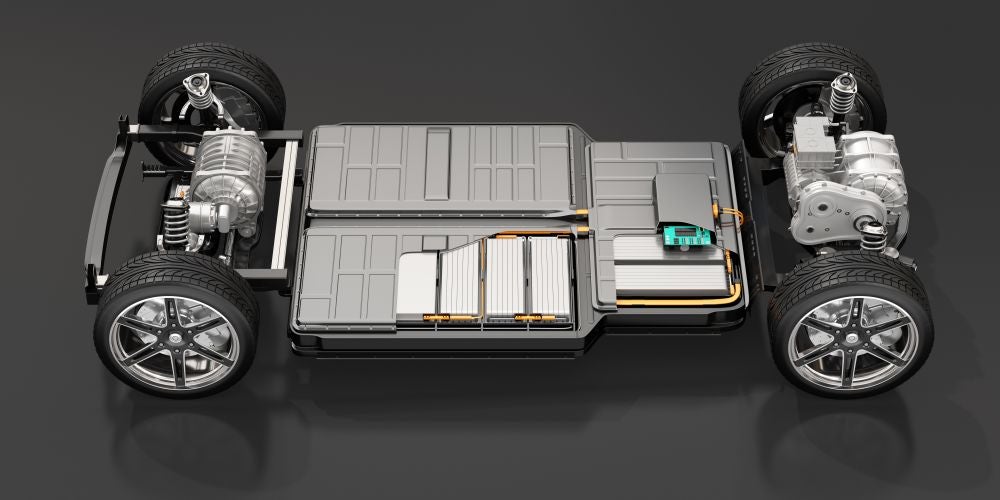
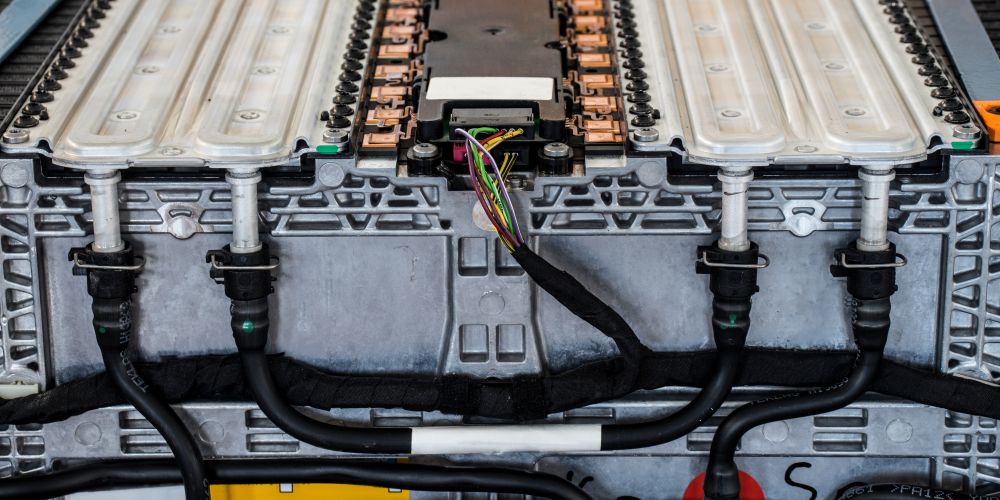
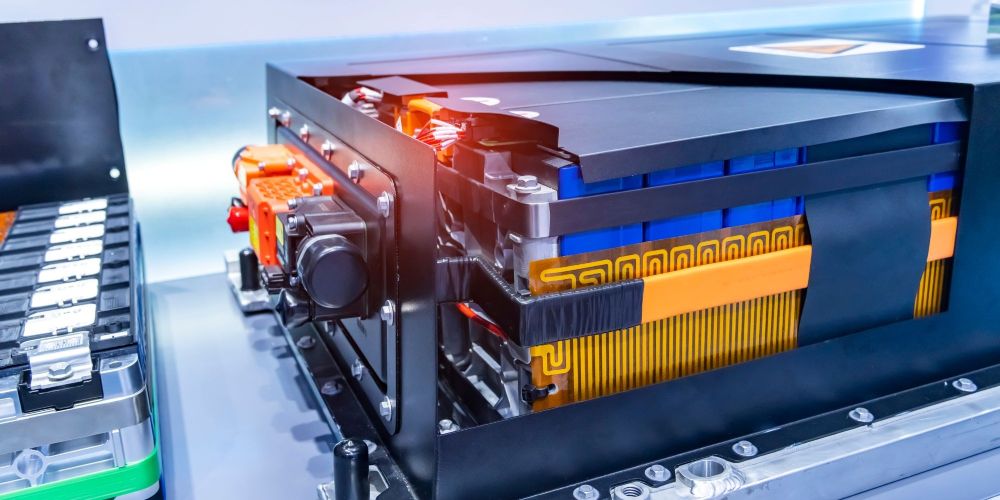
电动汽车辅助系统包括用于优化能源利用的电池管理系统(BMS),用于车载气候控制的HVAC PTC加热器和电子压缩机和用于保持最佳运行状态的电池加热和冷却功能。这些系统由BEV、HEV和PHEV中的高压电池以及轻度混动车中的48V电网供电,实现了无缝集成并降低了机械复杂度。泵、压缩机和热管理单元均实现电气化,汽车制造商可以最大限度地减少能量损失、减轻线路重量并提高整体系统效率。这些优化有助于增加行驶里程、加快充电速度和提高乘客舒适度。
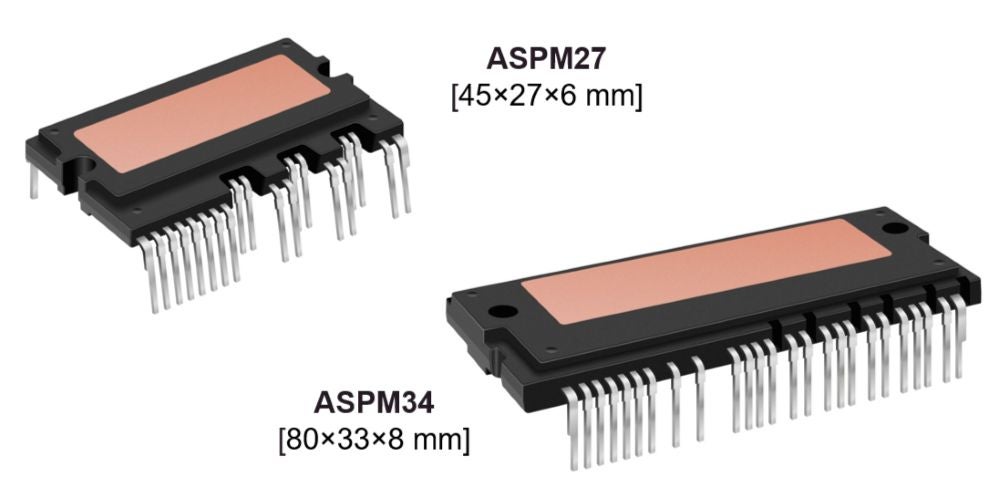
了解安森美如何通过可扩展的高性能解决方案实现这些创新,以满足现代电动汽车辅助系统的苛刻要求。我们提供各类汽车半导体,包括汽车智能电源模块(ASPM)、IGBT、EliteSiC、超级结MOSFET、汽车电源模块(APM)和栅极驱动器,为设计可扩展系统和优化每千瓦成本提供灵活性。

Previous
Next
产品
Intelligent Power Modules (IPMs)
High voltage power modules with integrated gate drivers for consumer, industrial and automotive applications. Offering a large range of 3 Phase inverter modules covering power levels from 50 W to 10 kW. Available in different topologies including PFC and input bridge rectifier.
MOSFET Modules
MOSFET Modules are used for automotive motor drive and on-board charger applications. They come in 40 V, 60 V, 80 V and 650 V ratings with superjunction technology and sense resistor. Aside from the six-pack and the full and half bridge topology, they are also available in the totem pole PFC topology.
Silicon Carbide (SiC) MOSFETs
Our SiC MOSFETs are designed to be fast and rugged and include system benefits from high efficiency to reduced system size and cost. MOSFETs are metal–oxide–semiconductor field-effect transistors with insulated gates. These silicon carbide MOSFETs have a higher blocking voltage and higher thermal conductivity than silicon MOSFETs, despite having similar design elements. SiC power devices also have a lower state resistance and 10 times the breakdown strength of regular silicon. In general, Systems with SiC MOSFETs have better performance and increased efficiency when compared to MOSFETs made with silicon material.
There are many advantages to choosing SiC MOSFETs over silicon MOSFETs, such as higher switching frequencies. High-temperature development is also not a concern when using SiC MOSFET modules because these devices can operate efficiently even in high heat. Additionally, with SiC MOSFETs, you benefit from a more compact product size because all components (inductors, filters, etc.) are smaller.
IGBTs
Insulated Gate Bipolar Transistors (IGBTs) that offer maximum reliability in high performance power conversion applications.
High Voltage MOSFETs
Portfolio of high voltage super-junction (SJ) MOSFETs meant for general usage and for several applications such as Power Factor correction, server/telecom power, led lighting.
Gate Drivers
GaN, IGBT, FET, MOSFET, H-Bridge MOSFET, and SiC MOSFET inverting and non-inverting drivers ideal for switching applications.
IGBT Modules
IGBT Modules are used in traction and in the DC-AC stages of solar inverters, energy storage systems, uninterruptible power supplies and motor drives.
Low/Medium Voltage MOSFETs
Portfolio of comprehensive range of Low-medium voltage power Mosfets that delivers superior performance and reliability for switching applications. Our cutting-edge PowerTrench® T10 technology delivers industry leading RDS, higher power density, reduced switching losses and better thermal performance.
Digital Isolators
Products that use a high frequency modulated signal to transmit high speed digital data across a capacitive isolation barrier.
Documents
Application Notes
Automotive Smart Power Module, 650 V ASPM27 Series
Application Notes
Automotive Smart Power Module, The 1200 V ASPM34 Series, Application Note
Application Notes
ASPM 27 Series Package Assembly Guidance
Collateral Brochure
车规级 LDO 选型指南
Application Notes
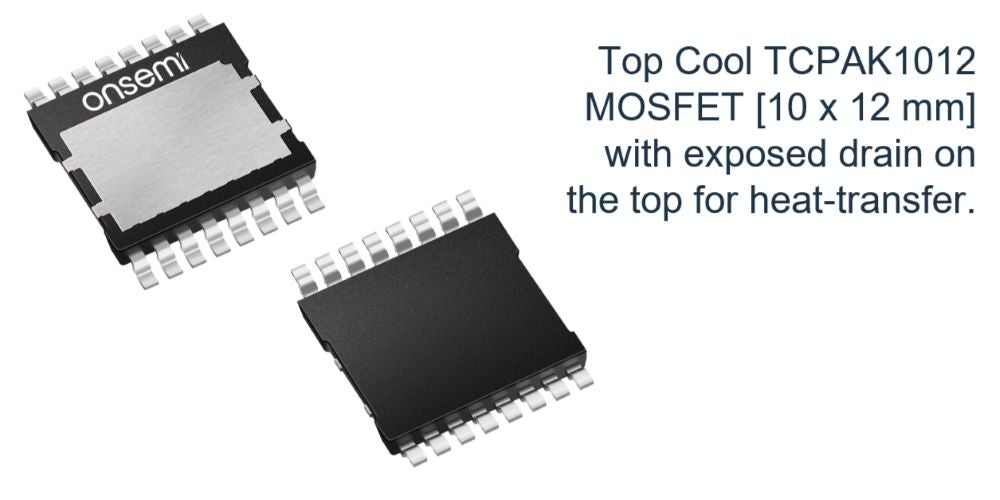
顶部散热封装 (TCPAK1012) 的开发与应用
Application Notes
具有模拟电流检测功能的高边 SmartFET
Application Notes
Current Sense Amplifiers, Frequently Asked Questions (FAQ)
Application Notes
使用隔离式栅极驱动器的实用设计指南
White Papers
Automatic HVAC Air Recirculation Made Easy with Stepper Motors
White Papers
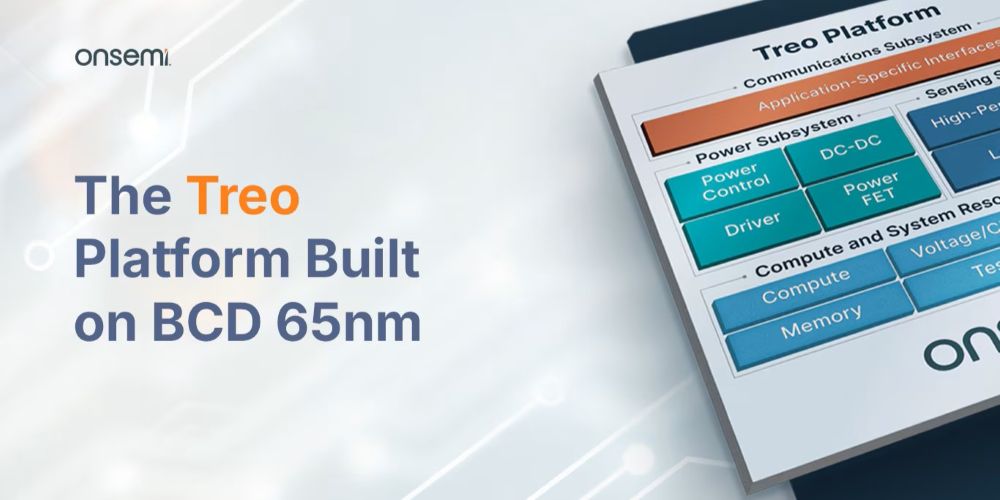
基于Treo平台的高温模拟与混合信号解决方案
评估板/套件
Evaluation Board
NCP737ADNADJR2GEVB
Evaluation Kit
NCV705XXLITEGEVK
Evaluation Board
NCS21911SN2GEVB
Evaluation Board
P90022EVB
Evaluation Board
NIV3071MTW4GEVB
Evaluation Board
NCV68261MTWAITBG-GEVB
精选文章
为您精选的新闻和博文,挖掘创新灵感,洞见行业趋势。

2025年12月18日

2025年12月15日
2025年6月12日
精选视频
浏览相关视频,以全新视角,探索更多细节。


ev auxiliary systems