ADAS
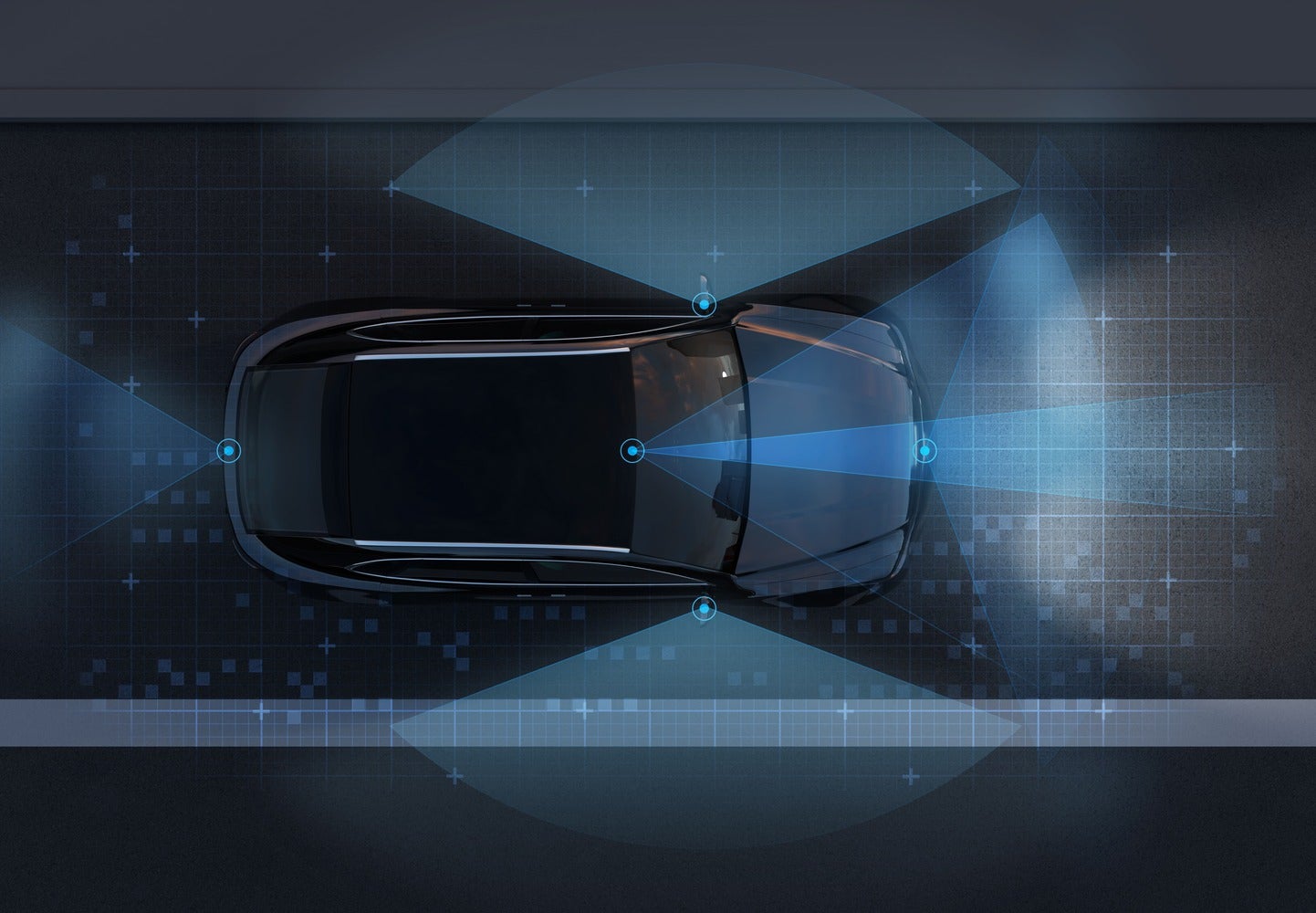
汽车先进驾驶辅助系统
利用安森美的图像传感器、传感器融合和ASIL认证电源构建更安全、更智能的ADAS。了解我们的解决方案指南和参考设计,通过HDR成像、LED闪烁缓解和功能安全实现可靠的辅助驾驶功能。
ADAS
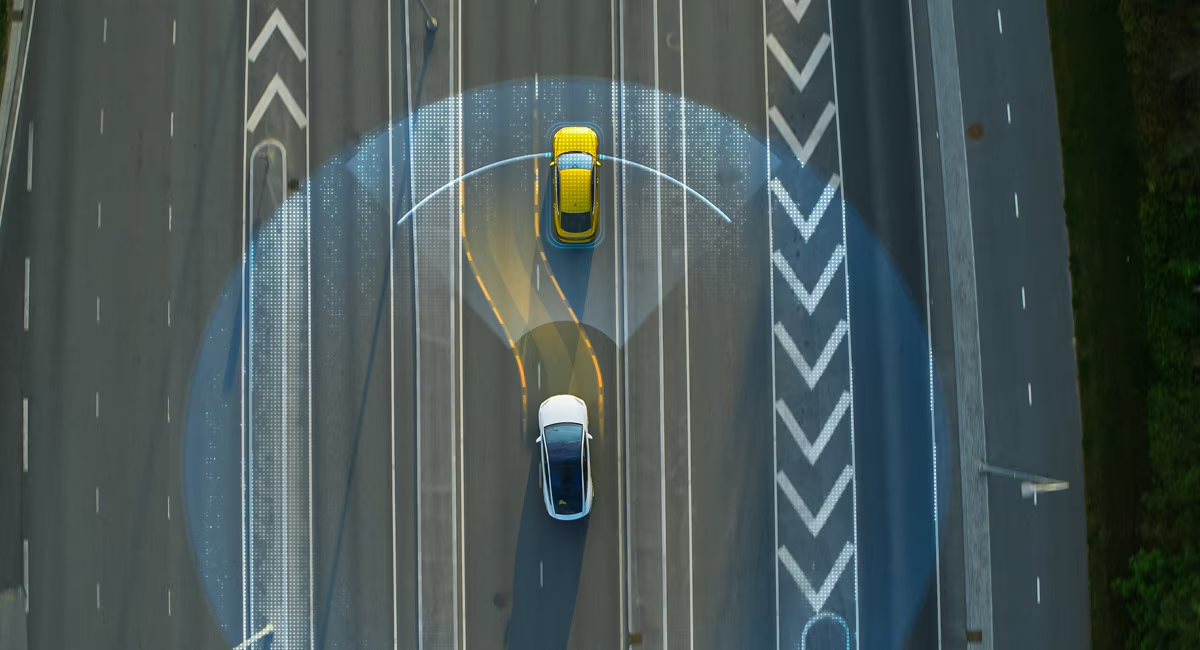
ADAS, or Advanced Driver Assistance Systems, are transforming modern vehicles into safer, smarter, and increasingly semi-autonomous platforms. These automotive safety systems help reduce driver workload, improve reaction time, and support accident prevention by continuously monitoring the vehicle’s surroundings. Common ADAS applications include park assist, surround-view cameras, rearview cameras, lane departure warning, lane keeping assist, automatic emergency braking, adaptive cruise control, blind spot monitoring, traffic sign recognition, auto-pilot functions, and collision avoidance. As vehicle automation continues to evolve, these features are becoming essential for improving road safety and enabling the path toward higher levels of autonomous driving.
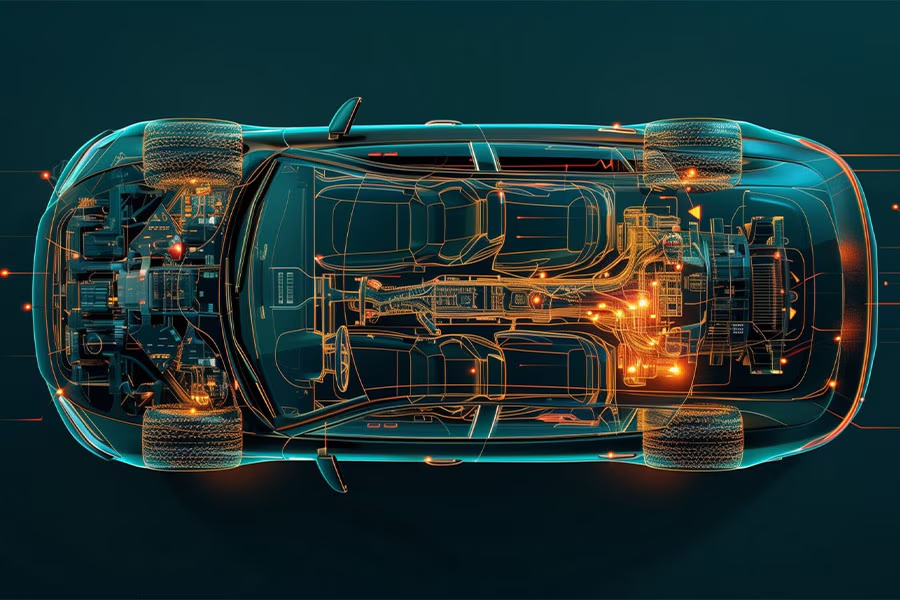
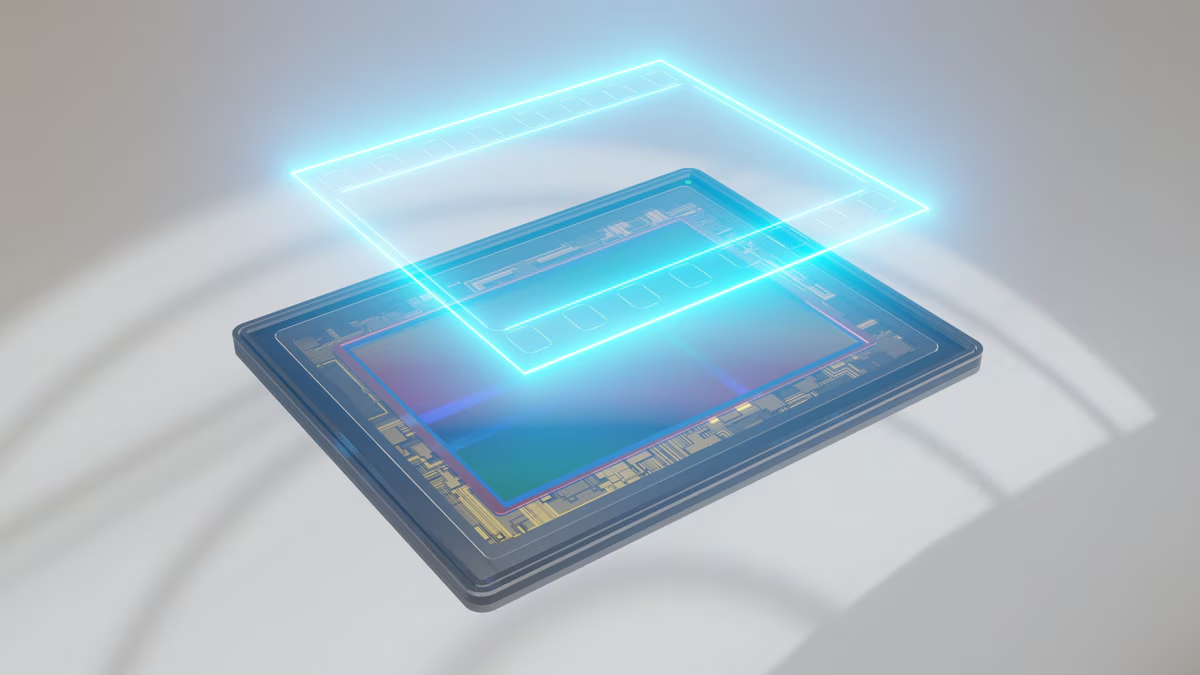
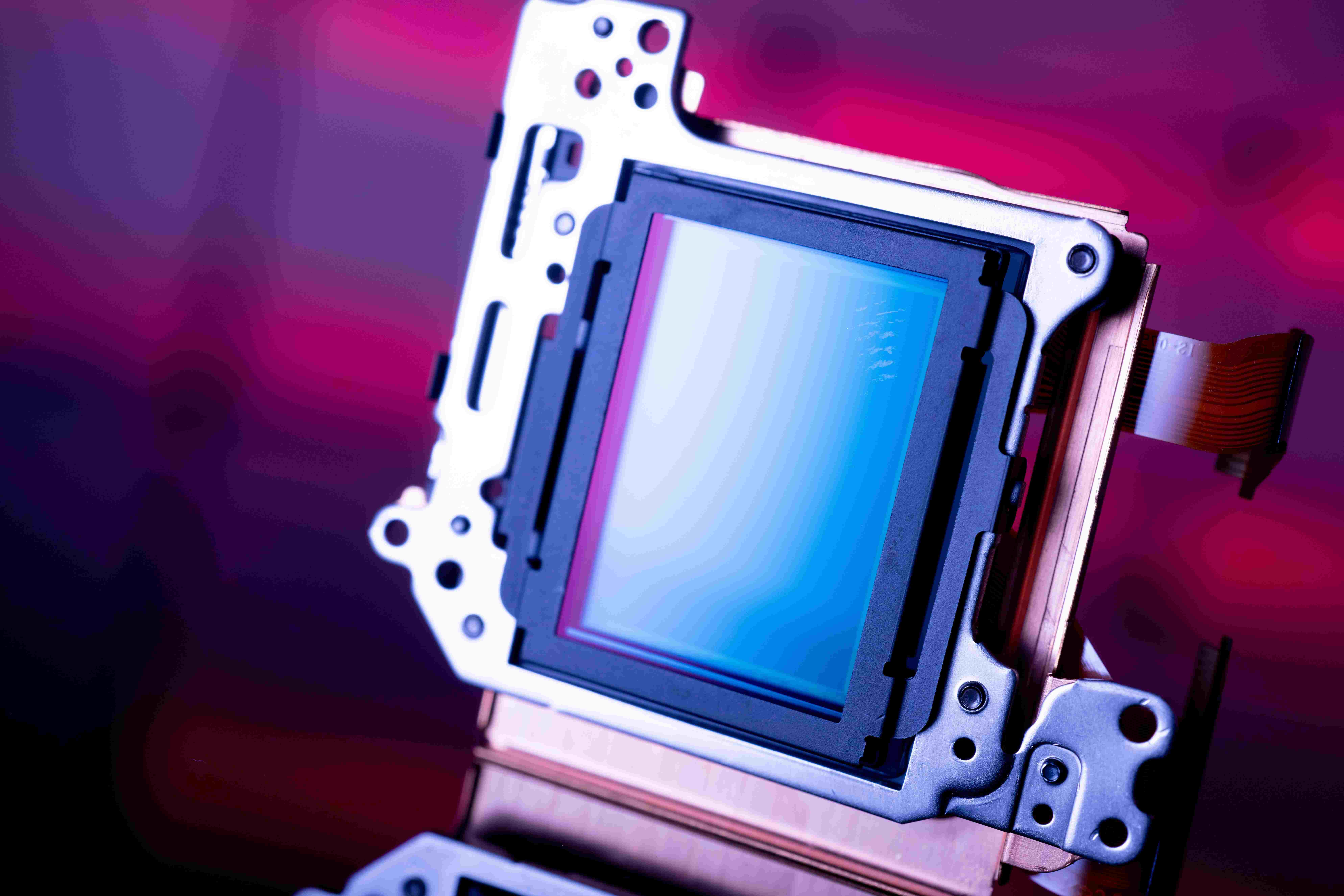
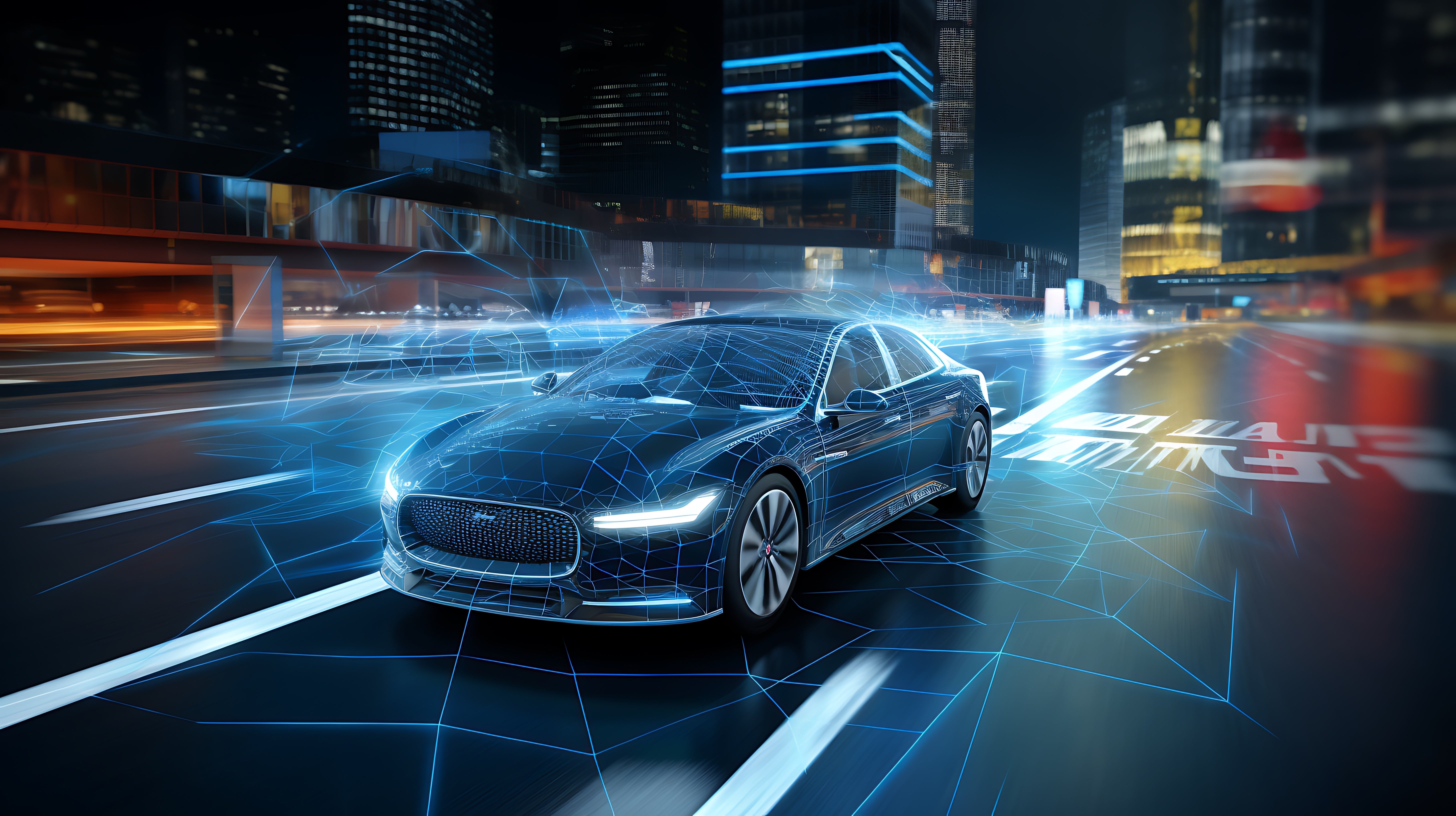
Automotive ADAS systems rely on multiple sensing technologies to detect, classify, and respond to real-world driving conditions. Image sensors provide the visual intelligence needed to identify lanes, vehicles, pedestrians, cyclists, road markings, traffic lights, and traffic signs, while LiDAR, radar, and ultrasonic sensors add depth, distance, speed, and short-range object detection capabilities. Hyperlux™ automotive image sensor technology is designed for high-performance ADAS camera systems, offering high-resolution imaging, high dynamic range HDR, strong low-light sensitivity, low-noise performance, and LED Flicker Mitigation. These features help improve camera visibility and machine vision accuracy in challenging environments such as direct sunlight, tunnel entry and exit, nighttime driving, shadows, bright headlights, reflective surfaces, and flickering LED traffic signals or digital road signs.
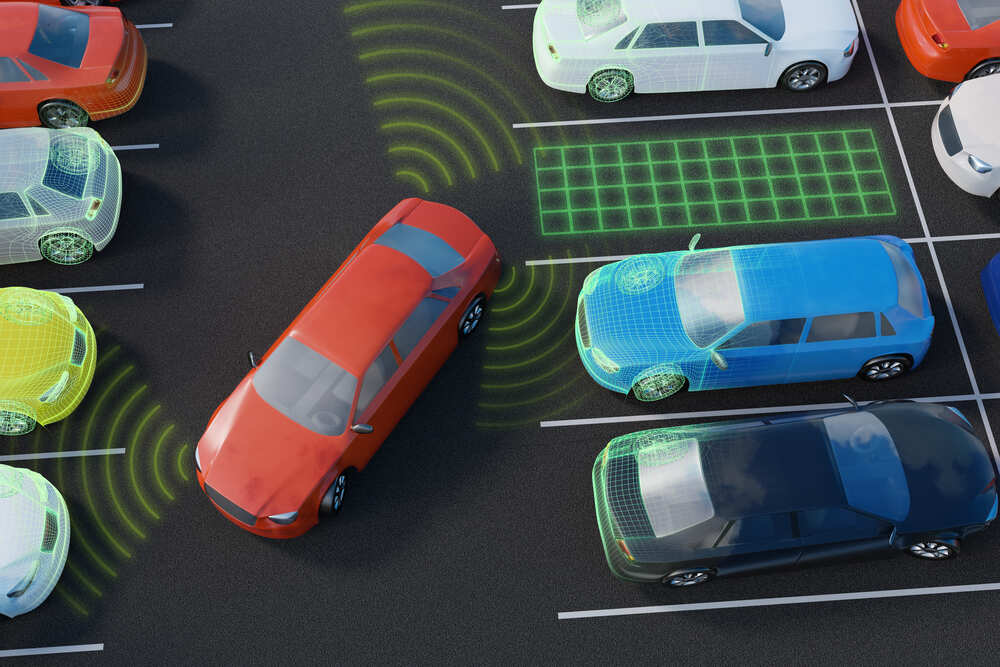
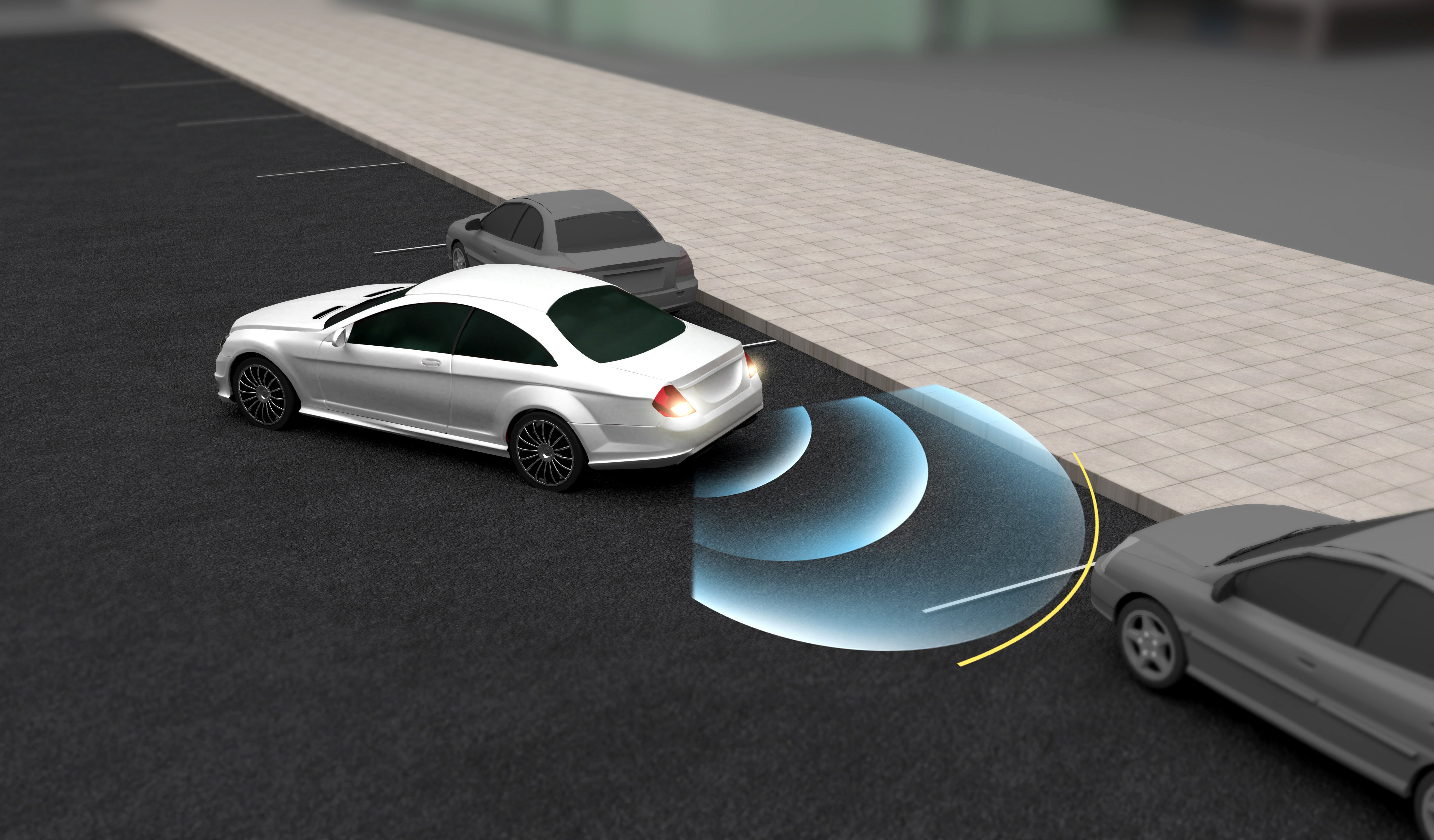
Ultrasonic sensors play a key role in short-range automotive sensing, especially for park assist, automated parking, curb detection, rear obstacle detection, side obstacle detection, and low-speed collision avoidance. By using ultrasonic time-of-flight measurement, these sensors detect nearby objects around the vehicle even in dark garages, tight parking spaces, and low-visibility environments. The data from Hyperlux™ image sensors, ultrasonic sensors, LiDAR, radar, and vehicle control inputs is processed by a machine vision processor or ADAS system controller, which enables sensor fusion, object detection, environmental awareness, and real-time safety decisions such as driver alerts, braking, or steering assistance. For safety-critical automotive designs, ISO 26262 and ASIL-capable components help support functional safety, diagnostics, fault detection, and reliable ADAS operation.

产品
Image Sensors
A broad portfolio of industry leading image sensors that satisfy requirements of every possible end application from wearables and consumer electronics to demanding industrial and automotive applications.
Image Signal Processors (ISPs)
A selection of imaging co-processors for use with advanced CMOS image sensors.
Ultrasonic Sensor
NCV75215DB001R2G
Ultrasonic Parking Distance Measurement ASSP
Converters
Current mode and voltage mode dc-dc converters for buck, boost, and flyback power conversion circuits.
Converters
NCV92310
Highly integrated PMIC optimized for power over coax sensor modules.
Sensor Signal Conditioning
NCV76124
Rain and Light Sensor Interface with SPI
Image Sensors
AR0823AT
Hyperlux, 2.1 µm, 8.3 MP, 1/1.8-inch CMOS Digital Image Sensor
Image Sensors
AR0820AT
CMOS Image Sensor, Digital, 8.3 MP, 1/2-inch, High-Resolution
Image Sensors
AR0341AT
Hyperlux, 2.1 µm, 3 MP, 1/3.6-inch, CMOS Digital Image Sensor
Documents
White Papers
Hyperlux™ AR0823AT图像传感器如何增强ADAS和自动驾驶汽车的视觉能力
White Papers
Hyperlux™ 图像传感器提供出色的 150 dB 动态范围和 LED 闪烁抑制性能
White Papers
评估汽车图像传感器的功能安全
White Papers
对话专家:汽车图像传感器模式推动安全出行
White Papers
具有 LFM 和距离检测功能的车用 3 μm HDR 图像传感器
White Papers
Super-Exposure Pixels Mitigate LED Flicker in the Most Demanding Automotive Environments

常见问题解答
ADAS platforms typically use a combination of cameras, radar, LiDAR, ultrasonic sensors, and vehicle positioning sensors. Each technology provides different information about the environment, and combining them improves detection accuracy, reliability, and safety. Multi-sensor architectures are widely adopted because no single sensor performs optimally under all driving conditions.
The Hyperlux automotive image sensor family, including devices such as AR0823AT and AR0341AT focuses on delivering high dynamic range, LED Flicker Mitigation, low-noise imaging, and automotive-grade reliability. These capabilities help maintain robust perception performance for ADAS functions including pedestrian detection, lane detection, traffic light recognition, and sensor fusion in complex driving environments.
Cameras act as the primary visual sensing technology for ADAS. They support lane detection, traffic sign recognition, pedestrian detection, object classification, driver monitoring, and surround-view applications. Their ability to capture color, texture, and visual context makes them essential for perception systems.
HDR image sensors allow a camera to capture scenes containing both very bright and very dark regions simultaneously. This capability is essential when driving into sunlight, exiting tunnels, or operating at night where traditional imaging may lose critical details.
LFM helps cameras accurately capture traffic lights, vehicle lamps, and LED signs without flickering artifacts. Since many modern lighting systems use pulse-width modulation, LFM ensures critical visual information remains visible and reliable for machine vision algorithms.
Major trends include higher-resolution image sensors, enhanced HDR imaging, AI-based perception, greater sensor fusion adoption, improved in-cabin monitoring, advanced radar technologies, and increased automation levels leading toward highly autonomous driving capabilities.
Object tracking continuously monitors detected vehicles, pedestrians, cyclists, and obstacles over time. It estimates position, velocity, direction, and future movement, allowing ADAS functions to predict potential hazards and react appropriately.
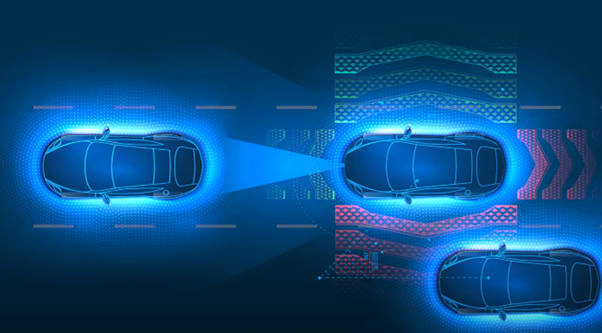
Sensor fusion combines information from multiple sensors into a single perception model. Cameras provide classification and lane information, radar measures distance and velocity, and LiDAR delivers accurate 3D geometry. Fusing these data streams improves object detection confidence and system robustness.
精选文章
为您精选的新闻和博文,挖掘创新灵感,洞见行业趋势。

2024年10月9日
2024年5月21日
Previous
Next
精选视频
浏览相关视频,以全新视角,探索更多细节。


adas