便携相机

具备运动检测、低光性能和无线控制的便携式相机解决方案
便携式相机是一种紧凑型、电池供电的成像系统,广泛应用于野外摄影机、运动相机、随身摄像头、可穿戴摄像头和行车记录仪。 典型的便携式相机设计集成了图像传感器、图像信号处理器(ISP)、微控制器(MCU)、电池充电器、电池管理电路、电源管理集成电路(PMIC)、DC-DC转换器、低压稳压器(LDO)、USB-C接口、无线通信模块、存储器、人机界面(HMI)、LED/Flash驱动器、MOSFET、模拟开关以及ESD/电磁干扰EMI保护电路。 这些系统经过优化,可在移动环境和恶劣条件中实现高分辨率视频、低光拍摄、运动触发录制、无线控制、USB-C充电/数据传输以及长电池续航时间。
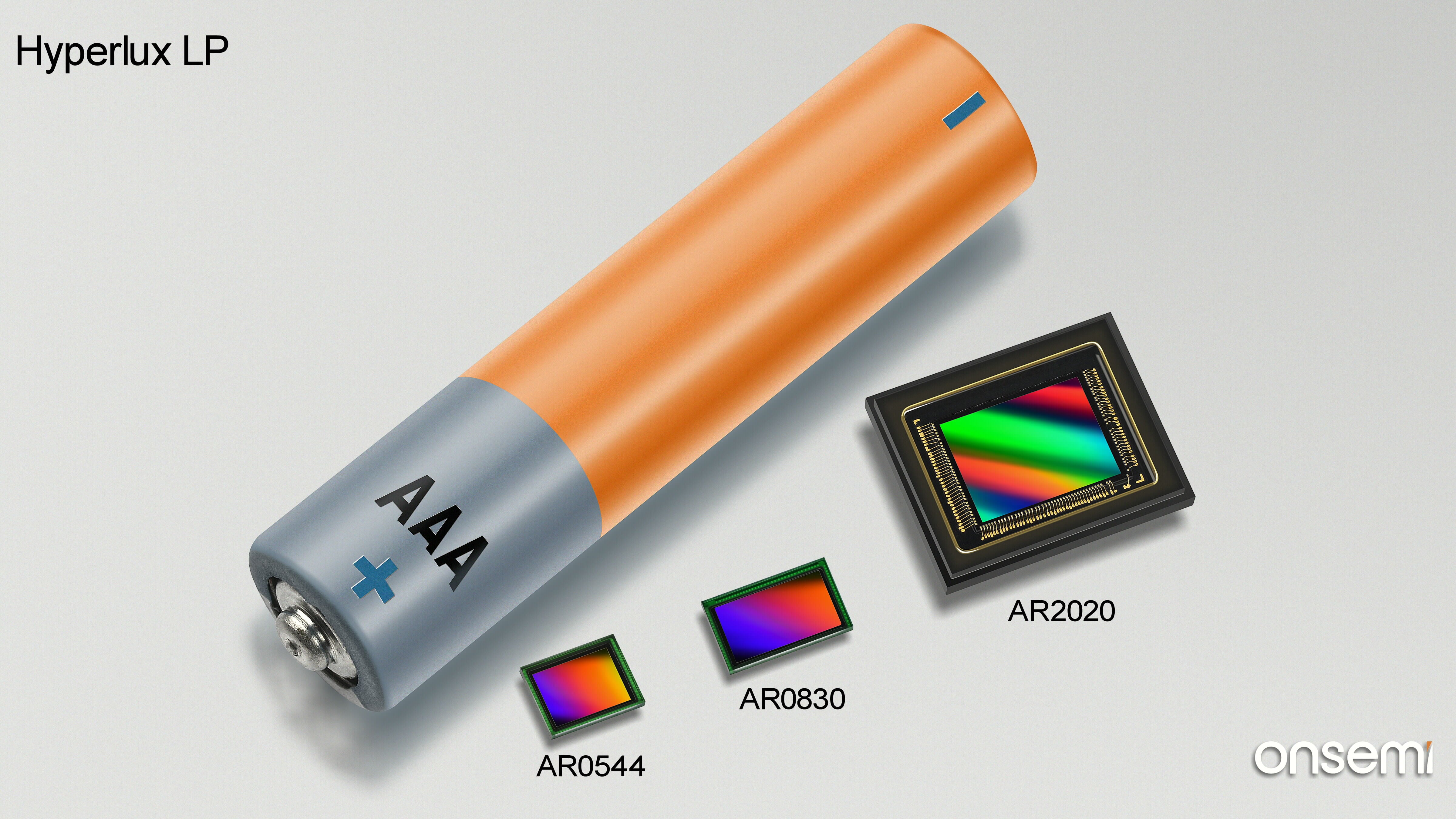
安森美便携式相机解决方案专注于低功耗图像传感、高效的电源架构和可靠的连接性。 Hyperlux LP和Hyperlux LH图像传感器系列支持增强动态范围、HDR选项、NIR/低光灵敏度以及”动作唤醒“等功能,使相机能够保持在低功耗的预检测模式下,仅在检测到动作时才被唤醒。 这对于电池供电的野外追踪摄像头、智能随身摄像头、运动摄像头、行车记录仪、可穿戴摄像头和便携式安防摄像头尤为重要,因为在这些应用中,运行时间、快速响应和图像质量是关键的设计优先事项。
对于工程师和产品设计师而言,这些解决方案包含关键组件,例如USB-C控制器和保护IC、RSL15/RSL10等蓝牙无线 MCU、PMIC、降压转换器、降压-升压稳压器、低噪声LDO、电池保护MOSFET以及EEPROM存储器。 这些构建模块共同提升了能效、紧凑性、系统保护、连接性以及现场可靠性,使便携式相机能够广泛应用于消费类、工业、汽车、户外监控及公共安全等领域。

产品
Image Sensors
AR2020
Image Sensor, 20 MP, Rolling Shutter, Hyperlux™ LP
Image Sensors
AR0830
Image Sensor, 8.3 MP, Rolling Shutter, Hyperlux™ LP
Image Sensors
AR0544
Image Sensor, 5 MP, Rolling Shutter, Hyperlux™ LP
Image Sensors
AR0822
Image Sensor, 8 MP, Rolling Shutter, Hyperlux™ LH
Image Sensors
AR0246
Image Sensor, 2.0 MP, Rolling Shutter, Hyperlux™ LH
Bluetooth Low Energy
RSL15
Bluetooth® 5.2 Secure Wireless MCU
Converters
NCV92310
Highly integrated PMIC optimized for power over coax sensor modules.
Image Signal Processors (ISPs)
AP1302
Image Signal Processor, 13 MP
Documents
评估板/套件
Evaluation Board
AR2020CSSM13SMTAH3-GEVB
Evaluation Board
AR0830CSSM11SMKAH3-GEVB
AR0830 Premier Reference Image Sensor Module
Evaluation Board
PRISM1M-AR0544CSSC130110-GEVB
AR0544 Image Sensor PRISM Module
Evaluation Board
AR0822NPSC10SMTAH3-GEVB
AR0822 Premier Reference Image Sensor Module
Evaluation Board
AR0246NPSC10SMKAH3-GEVB
AR0246 Premier Reference Image Sensor Module
Evaluation Kit
AGB1N0CS-GEVK
Demo 3 Board
Evaluation Board
AP1302CSSL00SMGAH3-GEVB
Evaluation Board
RSL15-EVB
常见问题解答
关键参数包括分辨率、像素尺寸、动态范围、灵敏度、信噪比(SNR)、功耗和帧率。便携式相机通常在恶劣的光照条件下工作且依靠电池供电,因此高灵敏度、低噪声和高能效是至关重要的设计要求。
HDR使摄像头能够同时捕捉场景中亮部和暗部的细节。对于经常遇到高对比度环境(如户外日光、车辆前照灯或室内外过渡区域)的随身摄像头、移动监控系统和便携式检测设备而言,这一点尤为重要。
帧率要求因应用而异:
- 标准监控:30帧/秒
- 随身摄像头:30-60帧/秒
- 体育及动作拍摄:60-120帧/秒
- 机器视觉与追踪:120帧/秒或更高
更高的帧率可提升运动捕捉和分析的准确性,但会增加数据吞吐量和功耗需求。
更高的分辨率可以提升图像细节和数码变焦能力,但会增加:
- 数据传输速率
- 内存需求
- 处理需求
- 功耗
最佳分辨率取决于应用的视野、分析需求以及电池限制。
技术包括:
- HDR成像
- 自适应曝光控制
- 多帧图像融合
- 低噪声传感器架构
- 局部色调映射
- 先进的图像信号处理算法
这些功能有助于在不同的照度条件下保留场景细节。
更大的像素在曝光期间能收集更多的光子,从而提高灵敏度并降低时间噪声。这使得在低光条件下能获得更佳的图像质量,使便携式相机能够有效工作,而无需使用过高的增益——过高的增益可能会降低图像保真度。
精选文章
为您精选的新闻和博文,挖掘创新灵感,洞见行业趋势。
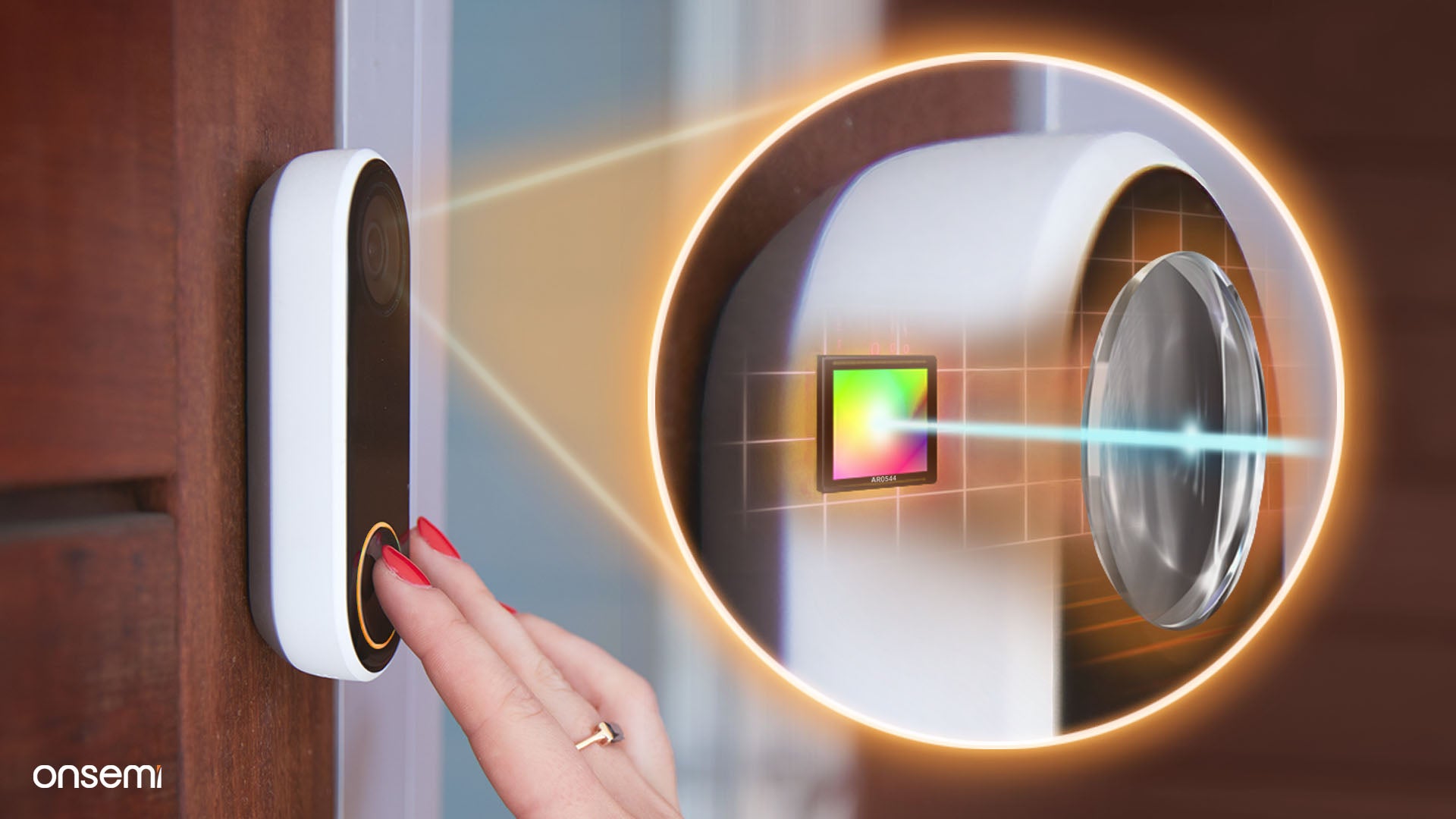
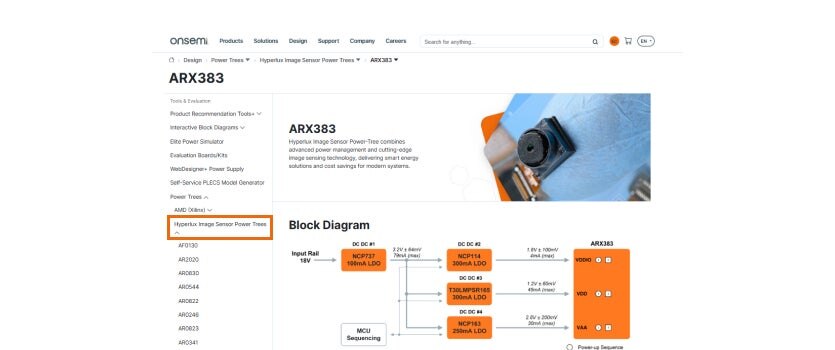
2025年11月14日
图像传感器电源树全新上线
Hyperlux图像传感器电源树页面上线,提供优化的电源树设计,帮助工程师快速锁定最合适的器件选择,满足性能、效率和可扩展性的需求。这些结构化的框图也能够更好地呈现安森美的产品阵容,帮助用户更快查找到需要的内容。

2024年10月9日
Previous
Next
精选视频
浏览相关视频,以全新视角,探索更多细节。


portable cameras