hero side image

Bluetooth Low Energy Asset Tracking

Bluetooth asset tracking leverages wireless technology to monitor and manage physical assets efficiently. It ensures real-time location tracking, reduces loss, and improves operational productivity. Ideal for industries like logistics, healthcare, and manufacturing.

Bluetooth Low Energy Powered Tracking Solutions

Bluetooth asset tracking is a wireless location monitoring solution based on Bluetooth Low Energy (BLE), designed to provide continuous visibility of physical assets such as tools, equipment, containers, or medical devices. Typically a compact battery-powered BLE tags are attached to assets and periodically broadcast a unique identifier or sensor data. Fixed receivers capture these signals and forward them to a central platform, where the system estimates asset location using signal-based techniques. This architecture enables continuous, infrastructure-based tracking without requiring manual scanning, making it particularly effective for indoor environments where GPS is unreliable or unavailable.

Bluetooth asset tracking systems include tags, infrastructure, positioning algorithms, and software. Tags operate with ultra-low power, sending short data packets at set intervals. Infrastructure nodes (BLE gateways or locators) capture signals and provide spatial references. The positioning engine uses Received Signal Strength Indicator (RSSI) for zone-level tracking or advanced direction-finding techniques like AoA and AoD. AoA identifies signal direction at a fixed antenna array, while AoD calculates position from signals sent by reference points. These methods enhance accuracy, achieving sub-meter positioning in optimized setups.

The primary advantages of BLE asset tracking stem from its balance of cost, energy efficiency, and scalability. BLE was designed for low-power communication, enabling long battery life and reducing maintenance requirements. Tags are relatively inexpensive and small, making large-scale deployments across thousands of assets economically feasible. 

Bluetooth asset tracking is widely adopted across industrial and commercial sectors where real-time asset visibility drives operational efficiency. In manufacturing and logistics, it enables tracking of tools, equipment, and mobile assets to reduce downtime and improve utilization. In healthcare, it supports tracking of medical devices and critical equipment, while retail and smart building environments use it for indoor navigation and inventory management. By integrating location data with IoT analytics platforms, organizations can also enable condition monitoring, predictive maintenance, and process optimization.

Block Diagrams

产品

Bluetooth Low Energy
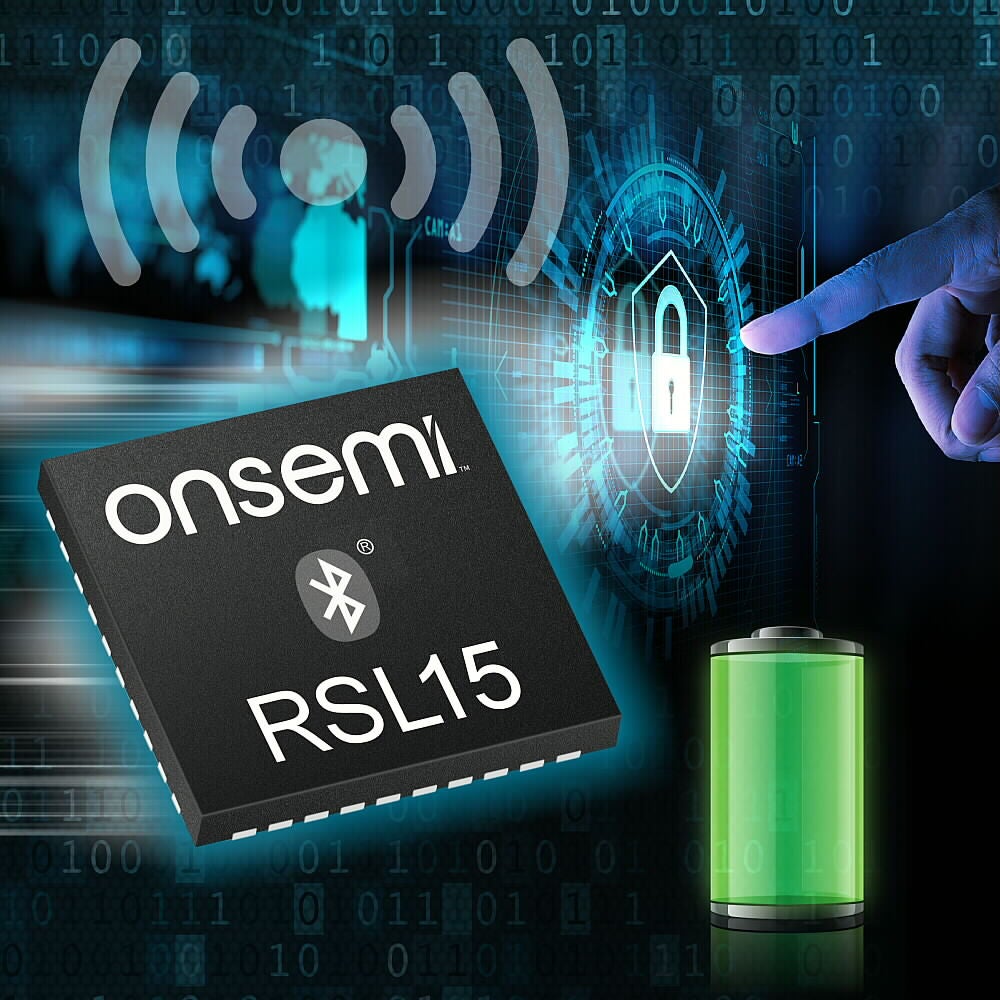
RSL15
Bluetooth® 5.2 Secure Wireless MCU
Ethernet Controllers
NCN26000
10BASE-T1S Ethernet PHY with MII interface
Ethernet Controllers
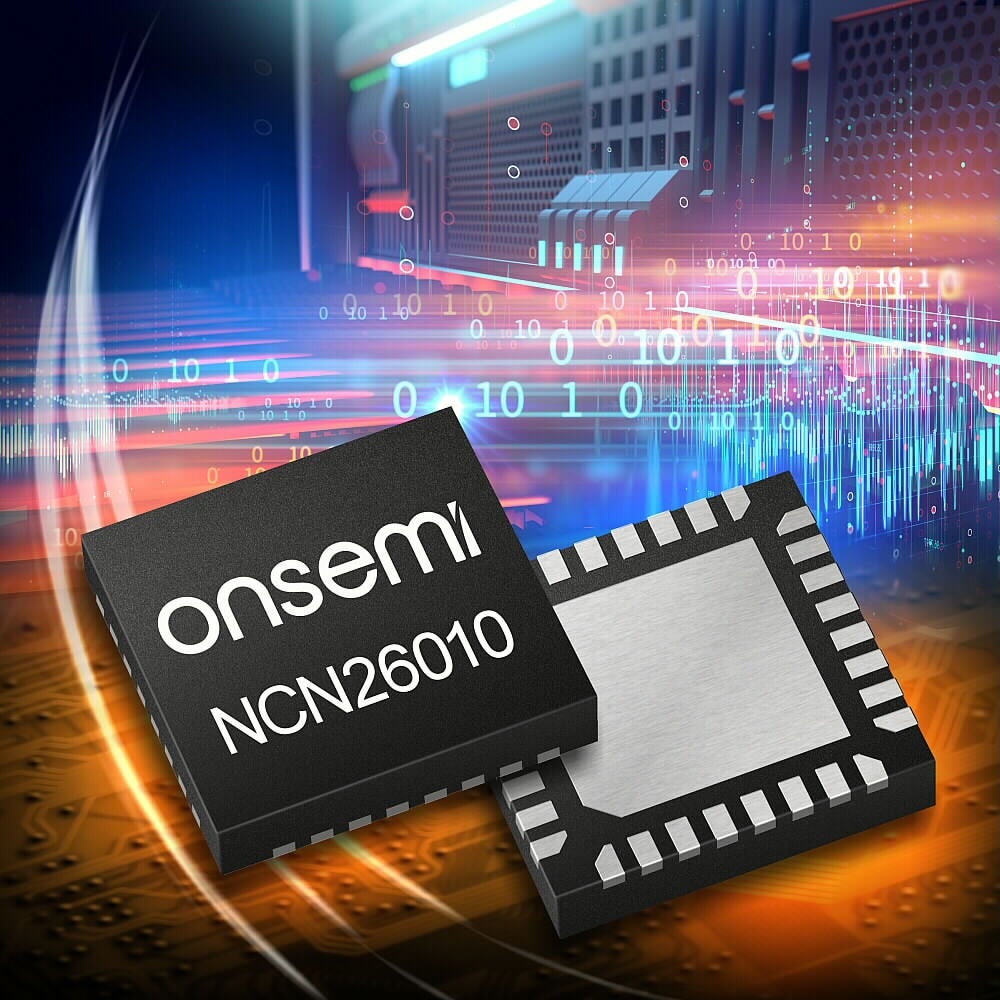
NCN26010
Ethernet Controller, 10 Mb/s, Single-Pair, MAC + PHY, 802.3cg, 10BASE−T1S Compliant
Ethernet Controllers
T30HM1TS2500
10BASE-T1S Ethernet Controller, Treo Platform, MAC-PHY with SPI Interface
EEPROM
Serial EEPROM memory, with I2C, SPI, or MicroWire interfaces.

Documents

White Papers
Designing Power-Efficient Wireless Location Finding Systems
Application Notes
Developing a Location Finding System
Reference Manuals
RSL15 Getting Started Guide
Reference Manuals
RSL15 Developer's Guide
Eval Board: Manual
RSL15 EVB v1.1 Evaluation and Development Board User's Manual
Application Notes
CAN 与单对 10BASE‐T1S 以太网收发器的硬件要求比较
Application Notes
T30HM1TS2500 PLCA Coordinator Redundancy

评估板/套件

Evaluation Board
RSL15-EVB
Evaluation Board
NCN26000XMNEVB

设计资源

用于评估的工具和资源。

查找合适的产品

使用产品推荐工具PRT+,高效匹配您的应用需求。

系统方案指南

为您的应用获得量身定制的器件选择和设计洞见。

评估板和评估套件

下单评估工具,验证器件性能。

常见问题解答

An industrial asset tracker is an electronic system that monitors the location, condition, and usage of equipment. It combines sensors, positioning technologies, connectivity modules, and a power management system to collect data and transmit it to cloud platforms for analysis and operational visibility.

Asset tracking improves visibility, reduces loss, and enables predictive maintenance. By continuously monitoring asset location and health, companies can optimize utilization, minimize downtime, reduce operational costs, and make data-driven decisions that improve supply chain efficiency and asset lifecycle management.

Industrial asset trackers are widely used in logistics, fleet management, construction, agriculture, and smart infrastructure. They support tracking of tools, containers, vehicles, and high-value equipment, helping organizations maintain control over distributed assets across large and complex environments.

Power consumption is minimized through efficient power management ICs, low-power sensors, and duty-cycling strategies. Devices spend most of their time in sleep mode and wake periodically to transmit data, enabling long battery life essential for remote or hard-to-access assets.

Data from asset trackers is transmitted to cloud platforms where it is processed, visualized, and analyzed. This enables real-time tracking, alerts, and historical insights, supporting applications such as route optimization, maintenance scheduling, and compliance monitoring.

精选文章

为您精选的新闻和博文,挖掘创新灵感,洞见行业趋势。

精选视频

浏览相关视频,以全新视角,探索更多细节。

支持帮助

查看产品信息、知识数据库和常见问题解答(FAQ),快速找到解决方案。

支持服务

多种联系方式,确保您以最便捷的方式获得支持。

销售团队

如果您有任何产品和设计问题,可以向我们发送信息,或者在销售办公室页面查找您所在地区的销售联系人。

论坛社区

安森美的用户、工程师们一起讨论设计想法、技术和方案。

asset tracking