太阳能发电方案

高效太阳能逆变器电源解决方案
太阳能电池板成本的持续下降,加上全球日益严格的零碳法规,正在加速太阳能发电在住宅(<10 kW)、商业(20 kW - 350 kW)和公用事业(兆瓦级)市场的应用。太阳能逆变器是每个光伏(PV)系统的核心,它将可变的直流电能转换成与电网兼容的交流电,因此对系统的效率、可靠性和安全性提出了严苛的要求。为了在更高功率水平上满足这些要求,安森美提供升压和逆变器功率集成模块(PIM),简化系统设计的同时提高功率密度、散热性能和可制造性。采用T2PAK顶部散热封装的EliteSiC MOSFET进一步增强了这些解决方案的性能,可直接向系统散热片有效排热,降低PCB热应力,并支持紧凑型高功率逆变器架构中更高的开关性能。这些太阳能逆变器解决方案专为支持全球认证要求而设计,符合UL 1741 SB、IEEE 1547-2018、IEC 62109-1/-2 和IEC 61000-6-x等主要并网、安全和EMC标准。
安森美的工业产品组合中提供广泛的栅极驱动器、传感、控制和外围功率器件生态系统,对基于碳化硅的高功率解决方案和IGBT解决方案进行了补充,这些器件是电网接口电子设备的关键基础。对于住宅应用,我们的氮化镓解决方案为微型逆变器提供了一个紧凑、高效的选择,在空间受限的面板级设计中支持更高的开关频率和更小的磁体。这些技术的结合能够实现可扩展、可靠的太阳能逆变器平台,满足不断演进的电网标准,支持从住宅屋顶到公用事业项目的长寿命可再生能源系统。



产品
Silicon Carbide (SiC) Modules
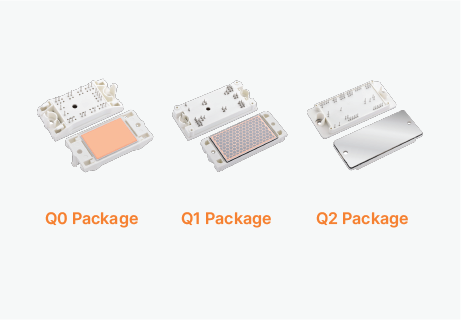
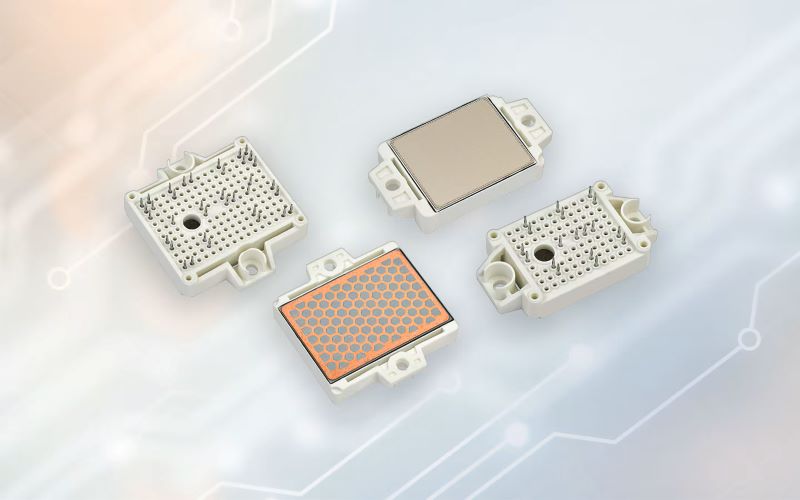
SiC Modules contain SiC MOSFETs and SiC diodes. The boost modules are used in the DC-DC stages of solar inverters. These modules use SiC MOSFETs and SiC diodes with voltage ratings of 1200V.
A Silicon Carbide (SiC) Module is a power module that operates with Silicon Carbide semiconductors for its switch. The purpose of a SiC power module is the transformation of electrical power through switches to improve system efficiency.
The primary function of SiC Modules is to transform electrical power. Silicon Carbide offers an advantage over silicon because, with less resistance to move away from the source (due to increased efficiency), SiC devices can operate at a higher switching frequency. A SiC based system is also more compact and lightweight than a silicon solution, allowing for smaller designs. Therefore, SiC devices are the ideal solution for situations where you want to increase efficiency and improve your thermal management.
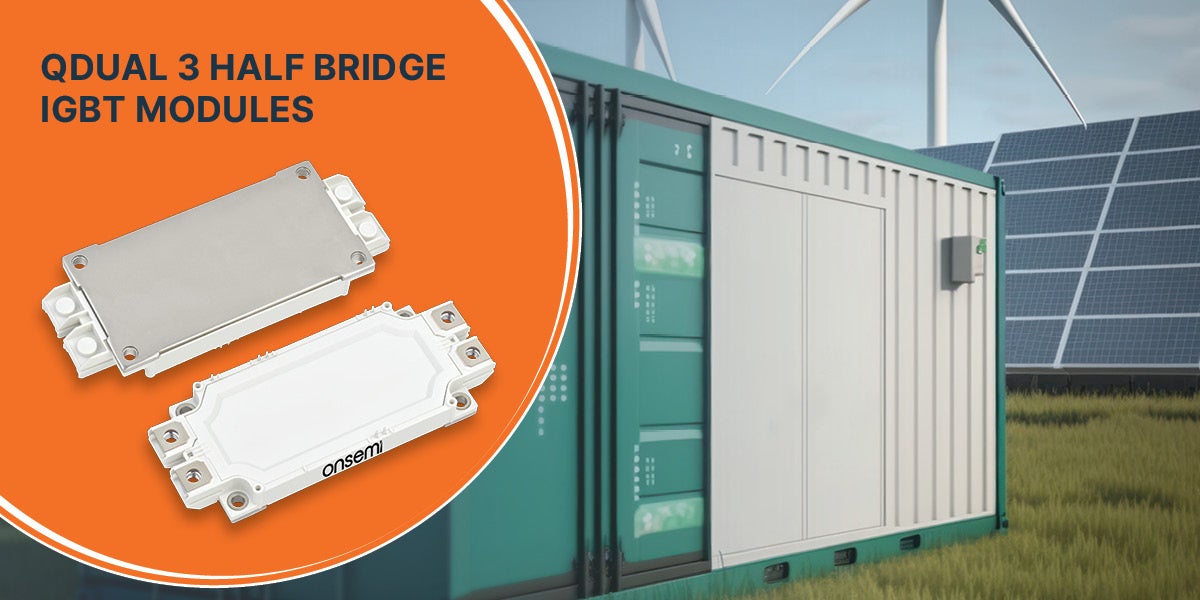
IGBT Modules
IGBT Modules are used in traction and in the DC-AC stages of solar inverters, energy storage systems, uninterruptible power supplies and motor drives.
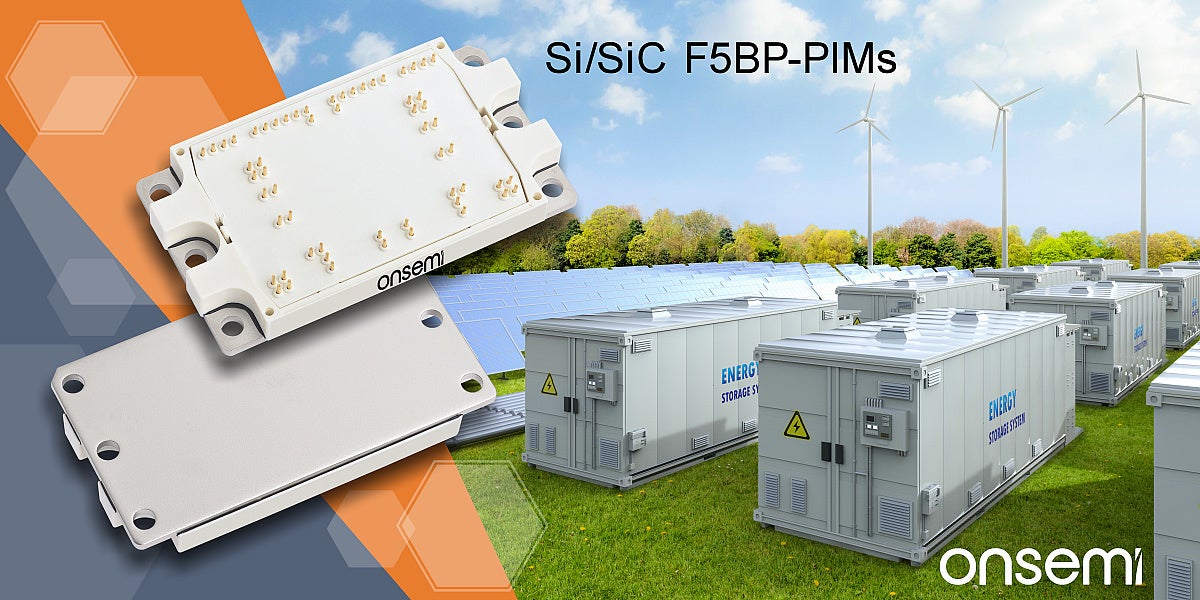
Si/SiC Hybrid Modules
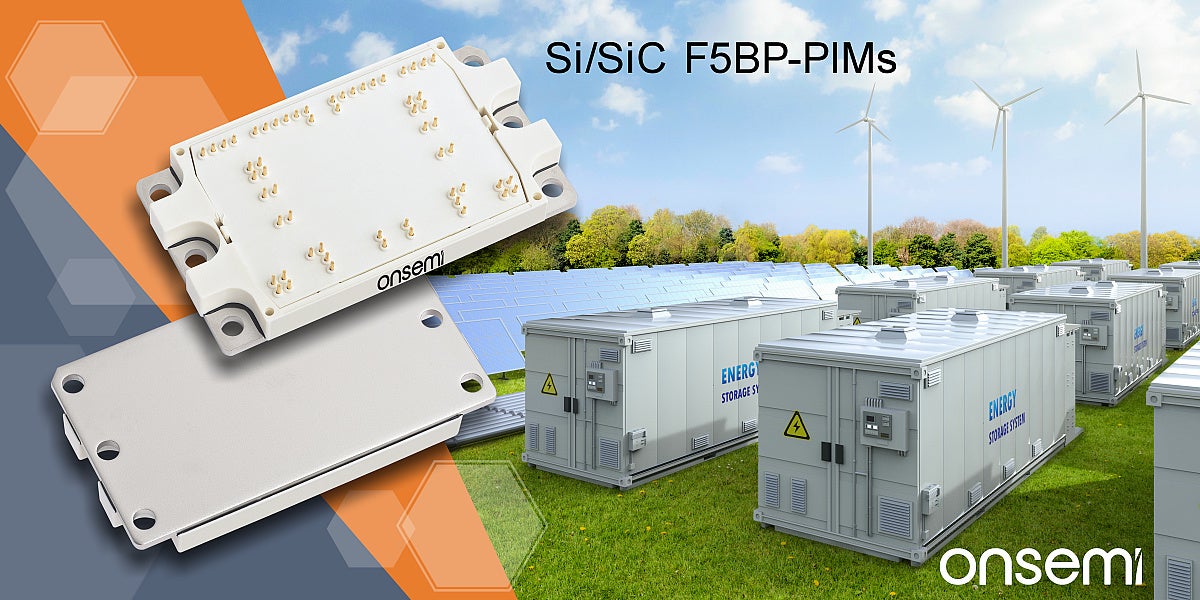
Si/SiC Hybrid Modules contain IGBTs, silicon diodes and SiC diodes. They are used in the DC-AC stages of solar inverters, energy storage systems and uninterruptible power supplies.
Hybrid Si/SiC (Silicon/Silicon Carbide) modules are integrated IGBT power modules with high power density. They have lower switching losses than nonhybrid modules, and they can also work at higher temperatures than other types of semiconductors.
Si/SiC hybrid modules have several uses including being used in high-power applications that need low losses. They may also be used in higher temperature environments than comparable Si modules. For systems requiring high-frequency switching, Si/SiC hybrid modules provide better efficiency.
Silicon Carbide (SiC) MOSFETs
Our SiC MOSFETs are designed to be fast and rugged and include system benefits from high efficiency to reduced system size and cost. MOSFETs are metal–oxide–semiconductor field-effect transistors with insulated gates. These silicon carbide MOSFETs have a higher blocking voltage and higher thermal conductivity than silicon MOSFETs, despite having similar design elements. SiC power devices also have a lower state resistance and 10 times the breakdown strength of regular silicon. In general, Systems with SiC MOSFETs have better performance and increased efficiency when compared to MOSFETs made with silicon material.
There are many advantages to choosing SiC MOSFETs over silicon MOSFETs, such as higher switching frequencies. High-temperature development is also not a concern when using SiC MOSFET modules because these devices can operate efficiently even in high heat. Additionally, with SiC MOSFETs, you benefit from a more compact product size because all components (inductors, filters, etc.) are smaller.
Silicon Carbide (SiC) Cascode JFETs
Our high-performance SiC Cascode JFETs utilize a unique cascode configuration, integrating a high-performance SiC fast JFET with a cascode-optimized Si-MOSFET.
Gallium Nitride (GaN) FETs
GaNEXUSTM Gallium Nitride (GaN) FETs are enhancement‑mode discrete GaN HEMTs that leverage wide‑bandgap material properties to deliver fast switching, low gate and output charge, and superior efficiency compared to silicon power transistors. These characteristics enable higher operating frequencies, reduced magnetics, and increased power density across low/medium, high and ultra-high voltage power conversion applications.
Low/Medium Voltage MOSFETs
Portfolio of comprehensive range of Low-medium voltage power Mosfets that delivers superior performance and reliability for switching applications. Our cutting-edge PowerTrench® T10 technology delivers industry leading RDS, higher power density, reduced switching losses and better thermal performance.
IGBTs
Insulated Gate Bipolar Transistors (IGBTs) that offer maximum reliability in high performance power conversion applications.
Gate Drivers
GaN, IGBT, FET, MOSFET, H-Bridge MOSFET, and SiC MOSFET inverting and non-inverting drivers ideal for switching applications.
Controllers
Current mode and voltage mode dc-dc controllers for dc-dc power conversion circuits.
Current Sense Amplifiers
Current sensing requires accurate measurements and onsemi’s current sense amplifiers offer high degree of precision current sensing along with the advantages of wide input common mode range, bidirectional current sensing and high/low side current sensing.
Operational Amplifiers (Op Amps)
onsemi wide portfolio of operational amplifiers (op amps) features high performance devices which include low power, low noise, precision, power and also general purpose op amps. These are designed to specifically meet a variety of applications like signal conditioning, automotive, battery powered, medical and current sensing.
Documents
Tutorial
“为EliteSiC匹配栅极驱动器”教程
Application Notes
拓扑结构对太阳能逆变器效率的影响:基于安森美碳化硅级联管和二极管的研究
Application Notes
T2PAK: 适用于汽车和工业高压应用的顶部散热封装
White Papers
优化户用太阳能系统能效、可靠性和成本
White Papers
能源基础设施应用中常用的IGBT拓扑结构
Collateral Brochure
克服碳化硅挑战以确保应用成功
White Papers
主流商用组串式太阳能逆变器的拓扑结构
Application Notes
用于1100V太阳能升压级功率集成模块的1200V SiC MOSFET与Si IGBT性能比较
Application Notes
安森美新款 Elite Power 仿真工具和 PLECS 模型自助生成工具的技术优势
Application Notes
F5基板电源模块安装指南
Application Notes
带压接引脚的F1/F2全塑料外壳模块安装指南
评估板/套件
Evaluation Board
EVBUM2878G-EVB
Evaluation Board for 1200V M3S 4-PACK EliteSiC MOSFET Module
Evaluation Board
EVBUM2880G-EVB
Evaluation Board for 1200V M3S 2-PACK EliteSiC MOSFET Module
Evaluation Board
EVBUM2883G-EVB
Evaluation Board for 1200V M3S TNPC F2 TNPC EliteSiC Module
Evaluation Board
NCP-NCV51561D2PAK7LGEVB
NCP/NCV51561 EVB OPN
Evaluation Board
SECO-NCD57000-GEVB
Application daughter-card for NCD57000 IGBT gate driver
Evaluation Board
NCD57252GEVB
NCD57252GEVB - Eval Board
常见问题解答
在高效率和高频率设计中,碳化硅是首选,而IGBT仍适用于大电流或对成本敏感的系统。而混合方案将两者结合起来,从而平衡效率、热性能和系统成本。
太阳能逆变器通常包括一个用于MPPT和电压调节的DC-DC升压级以及一个用于并网功率转换的DC-AC逆变器级。辅助模块包括传感、隔离、保护和EMI滤波。
MPPT通常用于DC-DC升压级,以调整工作电压和电流,以最大限度地提高面板输出。常见的实现方式是采用两级或三级式升压拓扑结构,配合快速电流检测和数字控制。
功率模块将开关、二极管和热通路集成到单个封装中,能够简化布局、改善热性能、提高可靠性并缩短开发时间,尤其适用于中高功率逆变器设计。
因为它能提供更高的直流母线电压,降低电流、布线损耗和系统成本,同时每个逆变器具备更高的功率吞吐量。因此,1500V架构被广泛应用于商业和公用事业规模的太阳能装置中。
精选文章
为您精选的新闻和博文,挖掘创新灵感,洞见行业趋势。
2024年8月8日
2024年8月27日

精选视频
浏览相关视频,以全新视角,探索更多细节。


solar power